

- Services
- All Services
- All Locations
- Surveying
- Drone Infrastructure Services
- Drone Services for Agriculture
- Drone Inspection for Cell Towers
- Drone Media Services
- Drone Mapping Services
- Drone Mining Inspection
- Drone for Surveillance And Security
- Industrial Robotics and Unmanned Systems
- Semiconductor Design and Innovation Services
- Factory Automation Solutions
- Portfolio
- Unmanned Products
- Drone Training
- Blog
- Brochure
- Contact us
- Services
- All Services
- All Locations
- Surveying
- Drone Infrastructure Services
- Drone Services for Agriculture
- Drone Inspection for Cell Towers
- Drone Media Services
- Drone Mapping Services
- Drone Mining Inspection
- Drone for Surveillance And Security
- Industrial Robotics and Unmanned Systems
- Semiconductor Design and Innovation Services
- Factory Automation Solutions
- Portfolio
- Unmanned Products
- Drone Training
- Blog
- Brochure
- Contact us
Why Drones Are Becoming a Strategic Asset, Not Just a Service
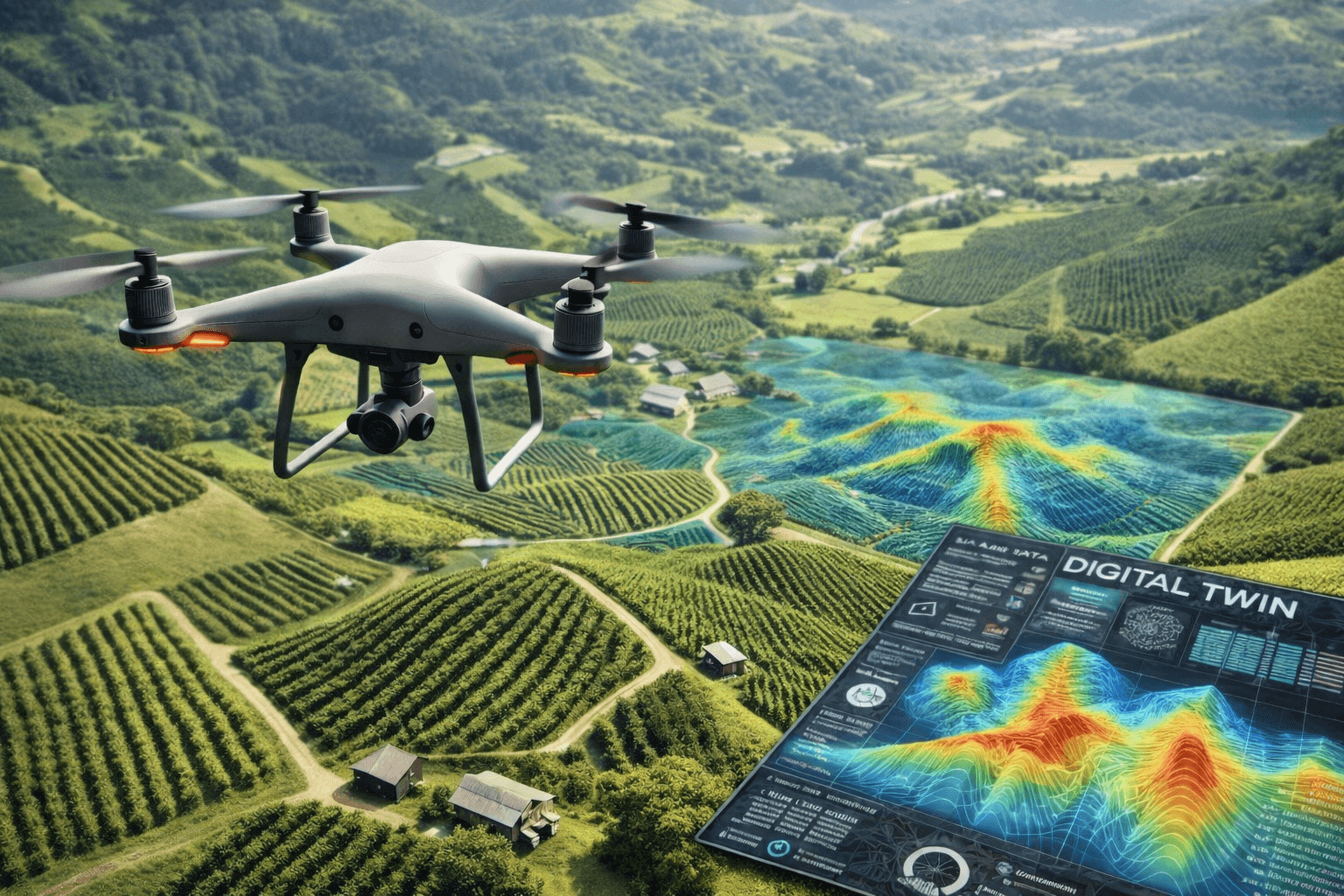
Today, drones as a strategic asset are changing how organizations plan and manage projects. In the past, drones were mainly used for one-time tasks like aerial photos or surveys. However, they have now become long-term operational tools. As a result, they deliver ongoing value instead of short-term results.
Across industries such as infrastructure, utilities, mining, construction, and government, this shift is clear. More importantly, organizations now see that drones are not just a service. Instead, they are a strategic business investment that supports better decisions and long-term planning.
This shift is redefining how data is collected, decisions are made, and compliance is maintained.
According to recent analysis by the World Economic Forum, drones are transforming modern surveillance and logistics.
From One-Time Service to Long-Term Capability
Traditionally, drones were used for specific tasks like site photography or basic inspections. Today, drones as a strategic asset support entire project lifecycles—from planning and execution to audits and maintenance.
Instead of hiring drones only when needed, organizations now integrate drone data into:
- Project monitoring systems
- Asset management workflows
- Compliance and audit reporting
- Risk and safety planning This long-term integration is what makes drones a strategic asset rather than a transactional service.
Data Is the Real Value of Drones
The biggest reason Strategic use of drones are gaining importance is data. Modern drones collect far more than images—they capture measurable, analyzable, and repeatable information.
Drone data enables:
- Accurate progress tracking
- Objective performance measurement
- Historical data comparison
- Predictive maintenance planning
Organizations that treat drone outputs as data assets gain deeper insights and better control over operations.
Better Decision-Making Through Real-Time Visibility
Decision-makers often struggle with delayed or incomplete site information. Drones as a strategic asset solve this problem by providing real-time visibility across large and complex projects.
With regular drone monitoring:
- Managers don’t need constant site visits
- Decisions are backed by visual evidence
- Stakeholders stay aligned with actual progress
This improves transparency and reduces dependency on manual reporting.
Enhancing Transparency and Accountability
In sectors like public infrastructure and utilities, transparency is critical. Drones as a strategic asset create an objective layer of documentation that cannot be manipulated or misreported.
Drone-based monitoring supports:
- Time-stamped and geo-referenced data
- Visual proof for audits and inspections
- Clear accountability across contractors
- Trust with government and regulatory bodies
This makes drones a key tool for governance and compliance, not just operations.
Risk Reduction and Safety Improvement
Safety is another area where drones as a strategic asset deliver long-term value. Manual inspections often expose workers to heights, live equipment, or hazardous environments.
By replacing or reducing human exposure:
- Workplace accidents decrease
- Safety compliance improves
- Insurance and liability risks are lowered
Over time, this risk reduction becomes a strategic advantage rather than a short-term benefit.
Cost Efficiency Beyond Initial Savings
While drones reduce inspection and survey costs, their real financial value lies in optimization. Drones in strategic operations help organizations save money by preventing problems before they escalate.
They support:
- Early defect detection
- Reduced rework and delays
- Optimized maintenance schedules
- Better resource allocation
This proactive approach delivers measurable ROI over the long term.
Supporting Compliance and Audit Readiness
Audits are no longer occasional events—they are continuous. Drones as a strategic asset help organizations remain audit-ready at all times.
Drone data provides:
- Consistent inspection records
- Standardized reporting formats
- Visual compliance evidence
- Easy historical data retrieval
This reduces audit stress and improves regulatory confidence.
Scalability Across Multiple Projects
Another reason drones as a strategic asset are gaining importance is scalability. Drone-based monitoring can be applied across multiple sites, cities, or regions without proportional increases in manpower.
This makes drones ideal for:
- Large infrastructure portfolios
- Multi-location utilities
- Nationwide government projects
Scalable insights turn drones into an enterprise-level asset.
The Strategic Shift Organizations Must Make
To unlock full value, organizations must stop viewing drones as a one-time service. Treating drones as a strategic asset means:
- Integrating drone data into decision systems
- Using drones consistently, not occasionally
- Partnering with professional drone solution providers
- Focusing on insights, not just flights
This mindset shift is what separates short-term users from long-term beneficiaries.
Conclusion
Drones as a strategic asset represent a fundamental change in how organizations approach monitoring, compliance, safety, and decision-making. Beyond aerial services, drones now deliver continuous intelligence that supports transparency, efficiency, and long-term planning.
As industries grow more data-driven and accountability-focused, drones will continue to evolve from a support tool into a core strategic capability. Organizations that adopt this approach early will gain a clear operational and competitive advantage.