

- Services
- All Services
- All Locations
- Surveying
- Drone Infrastructure Services
- Drone Services for Agriculture
- Drone Inspection for Cell Towers
- Drone Media Services
- Drone Mapping Services
- Drone Mining Inspection
- Drone for Surveillance And Security
- Industrial Robotics and Unmanned Systems
- Semiconductor Design and Innovation Services
- Factory Automation Solutions
- Portfolio
- Unmanned Products
- Drone Training
- Blog
- Brochure
- Contact us
- Services
- All Services
- All Locations
- Surveying
- Drone Infrastructure Services
- Drone Services for Agriculture
- Drone Inspection for Cell Towers
- Drone Media Services
- Drone Mapping Services
- Drone Mining Inspection
- Drone for Surveillance And Security
- Industrial Robotics and Unmanned Systems
- Semiconductor Design and Innovation Services
- Factory Automation Solutions
- Portfolio
- Unmanned Products
- Drone Training
- Blog
- Brochure
- Contact us
AI Powered Drones: How Intelligent Drones Are Making Tasks Easier
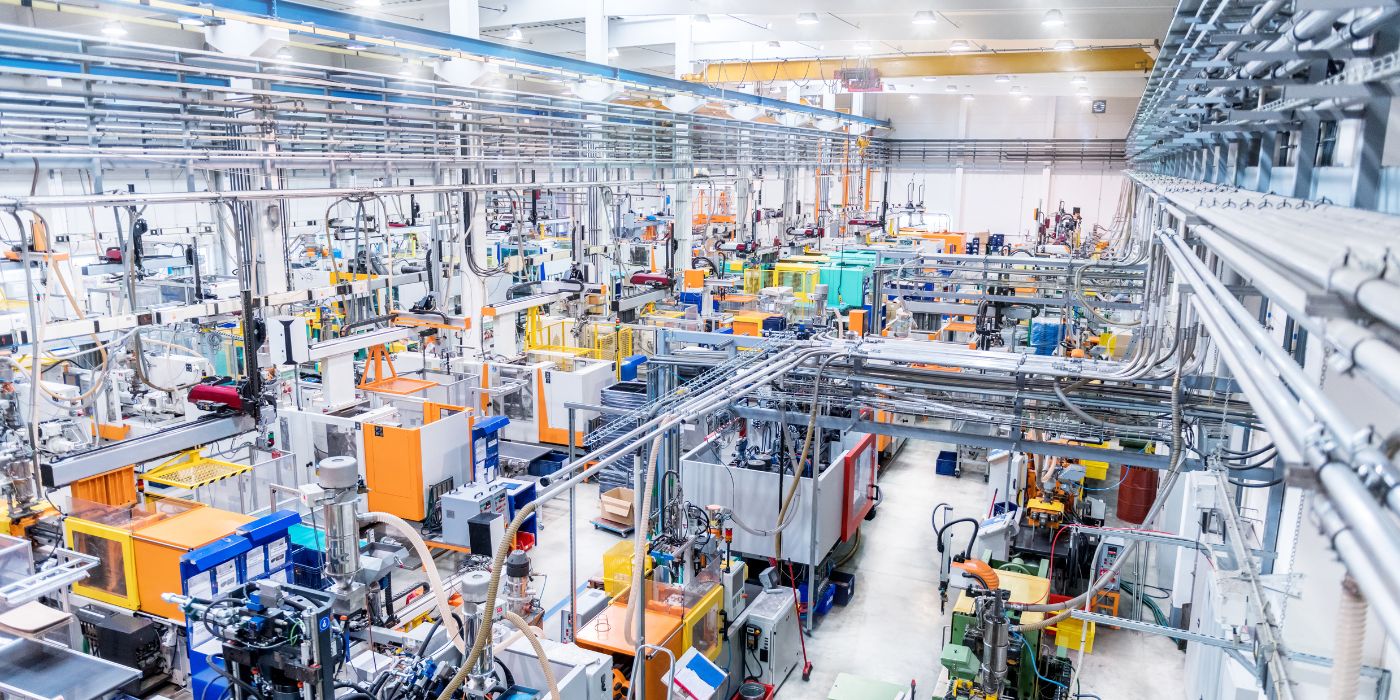
In recent years, AI powered drones have moved far beyond being simple flying cameras.
By combining artificial intelligence with advanced sensors and analytics, these drones can now think and act on their own. As a result, they analyze data faster and make better decisions. From construction sites to farms agricultural fields, they simplify complex tasks, reduce human effort, and improve overall efficiency.
The integration of AI has turned drones into intelligent machines capable of handling tasks that were once time-consuming, risky, or impossible for humans.
What Are AI Powered Drones?
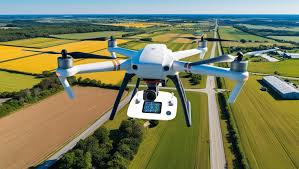
AI-powered drones are unmanned aerial vehicles that use artificial intelligence, such as machine learning and computer vision. In addition, they process data in real time. Unlike traditional drones, which rely on manual control, these systems can make decisions based on the data they collect.
These drones can:
- Detect objects and obstacles
- Analyze images and videos instantly
- Navigate autonomously
- Adapt to changing environments
This intelligence allows AI powered drones to perform tasks with minimal human involvement.
How AI Powered Drones Make Tasks Easier
The biggest advantage of drones is automation. With AI algorithms onboard, they process data during flight. As a result, they make decisions instantly. This reduces delays, cuts manual errors, and improves accuracy.
AI drones can automatically inspect structures, monitor large areas, and generate detailed reports without human supervision. As a result, tasks that once took days can now be completed in hours.
Role of Drones in Construction and Infrastructure
In the construction industry, They are used for site surveys, progress monitoring, and safety inspections. These drones identify cracks, alignment issues, and material defects with high precision.
By using AI drones, engineers can reduce on-site risks, save inspection time, and make data-driven decisions. This leads to faster project completion and improved quality control.
AI Drones in Agriculture
Agriculture is one of the biggest beneficiaries of AI powered drones. Farmers use these drones to analyze crop health, detect pest infestations, and monitor irrigation systems.
Drones help farmers apply fertilizers and pesticides only where needed, reducing costs and environmental impact. This smart approach increases productivity while minimizing resource wastage.
Improving Safety with AI Drones
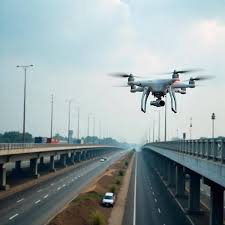
Many industries involve dangerous working conditions. They reduce human risk by performing inspections in hazardous environments such as power lines, mines, and disaster-affected areas.
These drones can identify potential dangers, send real-time alerts, and assist emergency teams without exposing workers to harm. This makes workplaces safer and more efficient.
Data Accuracy and Decision Making
One of the strongest advantages of AI powered drones is their ability to convert raw data into actionable insights. Instead of just capturing images, these drones analyze data and provide meaningful outputs like heat maps, 3D models, and predictive reports.
This helps organizations make faster and more accurate decisions based on real-time information.
Challenges of AI Technology Drones
Despite their benefits, AI drones face some challenges:
- High initial investment
- Regulatory approvals
- Data security concerns
- Need for skilled professionals
However, continuous advancements in AI and supportive government policies are gradually addressing these challenges.
The Future of AI Powered Drones
The future of AI drones is highly promising. With improvements in edge computing, 5G connectivity, and autonomous navigation, drones will become even smarter and more independent.
In the coming years, AI drones will play a key role in smart cities, logistics, healthcare, and environmental monitoring. They will continue to make tasks easier, faster, and safer.