

- Services
- All Services
- All Locations
- Surveying
- Drone Infrastructure Services
- Drone Services for Agriculture
- Drone Inspection for Cell Towers
- Drone Media Services
- Drone Mapping Services
- Drone Mining Inspection
- Drone for Surveillance And Security
- Industrial Robotics and Unmanned Systems
- Semiconductor Design and Innovation Services
- Factory Automation Solutions
- Portfolio
- Unmanned Products
- Drone Training
- Blog
- Brochure
- Contact us
- Services
- All Services
- All Locations
- Surveying
- Drone Infrastructure Services
- Drone Services for Agriculture
- Drone Inspection for Cell Towers
- Drone Media Services
- Drone Mapping Services
- Drone Mining Inspection
- Drone for Surveillance And Security
- Industrial Robotics and Unmanned Systems
- Semiconductor Design and Innovation Services
- Factory Automation Solutions
- Portfolio
- Unmanned Products
- Drone Training
- Blog
- Brochure
- Contact us
Drone Technology in India: What to Expect in the Next 5 Years
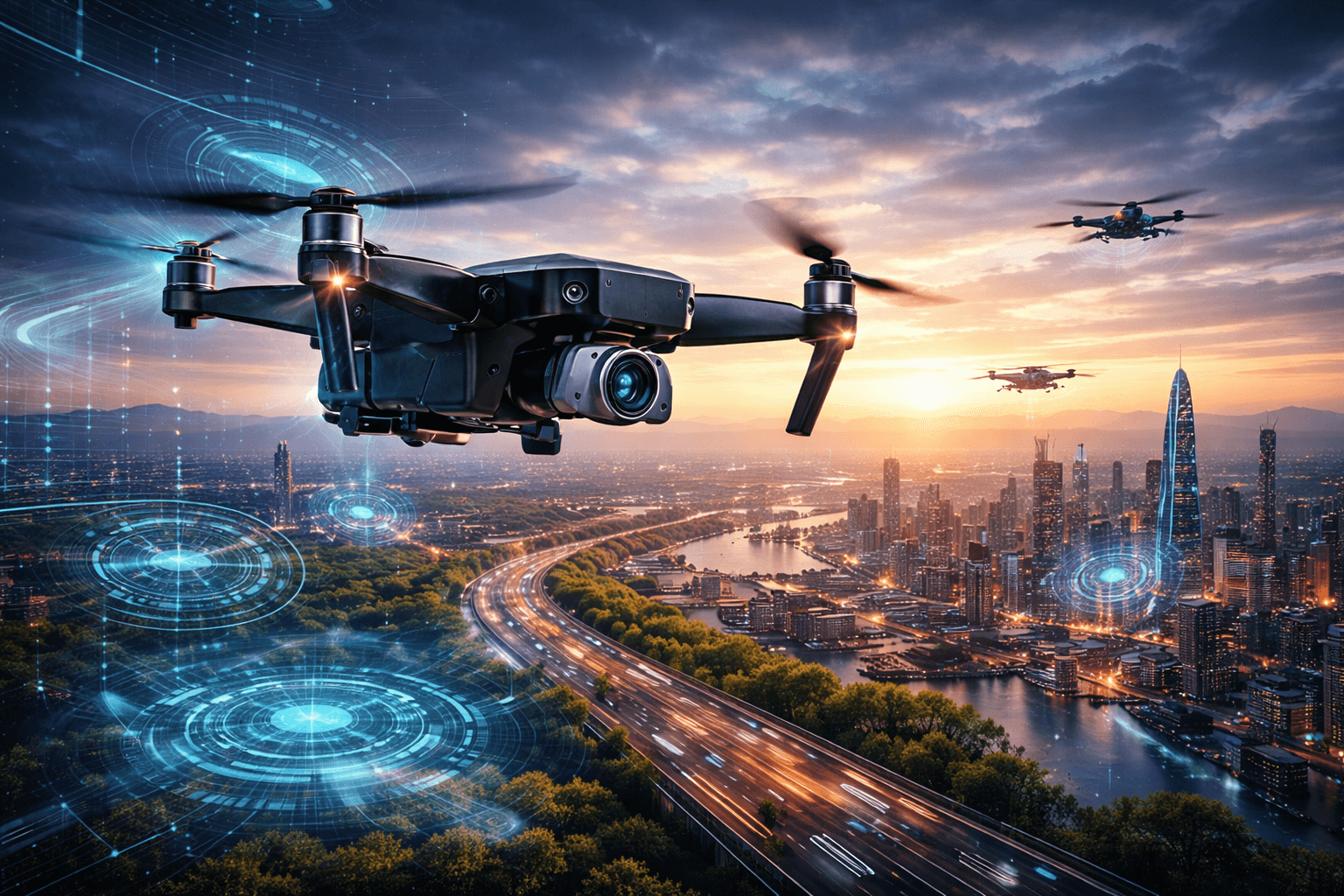
Drone technology in India is growing quickly and changing fast. In the last few years, drones have gone beyond hobby use and aerial photography. Now, they are an important tool for many industries, including infrastructure, agriculture, utilities, mining, logistics, and governance.
Furthermore, supportive policies and new technologies are helping industries adopt drones more widely. As a result, drone technology in India is expected to reshape several sectors over the next five years.
Let’s explore what the future holds and how drone technology will evolve in India by 2031.
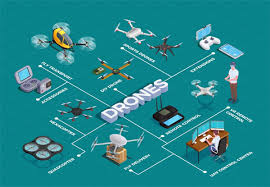
The Current State of Drone Technology in India
At present, drone technology in India is widely used for surveying, mapping, inspections, surveillance, and media production. Government initiatives like Digital India, Smart Cities Mission, and infrastructure expansion have accelerated the adoption of drones across public and private sectors.
Key developments include:
- Liberalized drone rules
- Growth of DGCA-approved drone operators
- Increased use of drones in government tenders
- Rising demand for industrial and enterprise drone services
This strong foundation sets the stage for major advancements in the coming years.
1. Widespread Industrial Adoption
In the next five years, drone technology in India will become a standard operational tool rather than a specialized service.
Industries expected to see massive drone adoption include:
- Power transmission and distribution
- Renewable energy (solar and wind)
- Construction and infrastructure
- Mining and quarrying
- Oil, gas, and pipeline monitoring
Drone-based inspections, surveys, and progress monitoring will replace time-consuming and risky manual processes.
2. Integration of AI and Automation
One of the biggest changes in drone technology will be the integration of artificial intelligence and automation. Drones will not only collect data but also analyze it in real time.
AI-powered drone solutions will enable:
- Automatic defect detection
- Predictive maintenance of assets
- Intelligent flight planning
- Real-time alerts and reporting
This will significantly improve decision-making and reduce human dependency.
3. Growth of Drone-as-a-Service (DaaS)
Rather than purchasing drones, many organizations will prefer outsourcing. As a result, drone technology will see rapid growth in Drone-as-a-Service (DaaS) models.
Benefits of this shift include:
- Lower capital investment
- Access to expert pilots and analysts
- Regulatory compliance handled by service providers
- Scalable and flexible operations
This model will especially benefit small and mid-sized enterprises.
4. Expansion in Agriculture and Rural Development
Agriculture will be one of the biggest beneficiaries of drone technology over the next five years. Drones will be used extensively for:
- Crop health monitoring
- Precision spraying
- Yield estimation
- Soil and water analysis
With government support and subsidy programs, drones will play a crucial role in improving farm productivity and reducing input costs for farmers.
5. Stronger Role in Government and Smart Cities
Government agencies are already embracing drone technology in India for land records, urban planning, and surveillance. This trend will intensify in the coming years.
Expected use cases include:
- Smart city planning and GIS mapping
- Disaster management and emergency response
- Traffic monitoring and crowd management
- Property and land surveys
Drones will help government bodies improve transparency, speed, and efficiency.
6. Logistics and Drone Delivery Trials
Although still in early stages, drone delivery is expected to gain momentum. Over the next five years, drone technology will see controlled expansion in logistics, especially in:
- Medical supply delivery
- Remote and inaccessible regions
- Emergency response situations
With advancements in battery life and navigation systems, drone logistics will gradually move from pilot projects to real-world applications.
7. Improved Regulations and Policy Support
Regulatory clarity is a major driver of growth. India’s drone-friendly policies will continue to evolve, making it easier for businesses to adopt drone technology in India legally and safely.
Future regulations are expected to focus on:
- Simplified approvals
- Airspace management systems
- Data security and privacy
Encouraging Make in India drone manufacturing
A stable regulatory environment will boost investor confidence and innovation.
8. Rise of Indigenous Drone Manufacturing
In the next five years, drone technology will increasingly rely on indigenous manufacturing. Under initiatives like Make in India and Atmanirbhar Bharat, local drone startups and manufacturers will reduce dependency on imports.
This will lead to:
- Cost-effective drone solutions
- Custom-built drones for Indian conditions
- Increased exports of Indian drone technology
Challenges That Need to Be Addressed
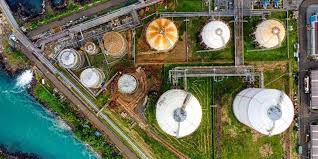
While the future looks promising, drone technology in India must overcome challenges such as:
- Skilled workforce shortages
- Data privacy concerns
- Airspace coordination
- Public awareness and acceptance
Addressing these challenges will be crucial for sustainable growth.